请双击输入内容...


Tel: +86-20-86181657

Email: sales@sunrans.com
Share to:










- Media News -
Acrylic vs. Fiberglass Spa Shells: A Data-Driven Guide to Durability, Cost & Design
Time: 2025-04-26 13:19:55
Author: SUNRANS
Click:
Acrylic vs. Fiberglass Spa Shells: A Data-Driven Guide to Durability, Cost & Des
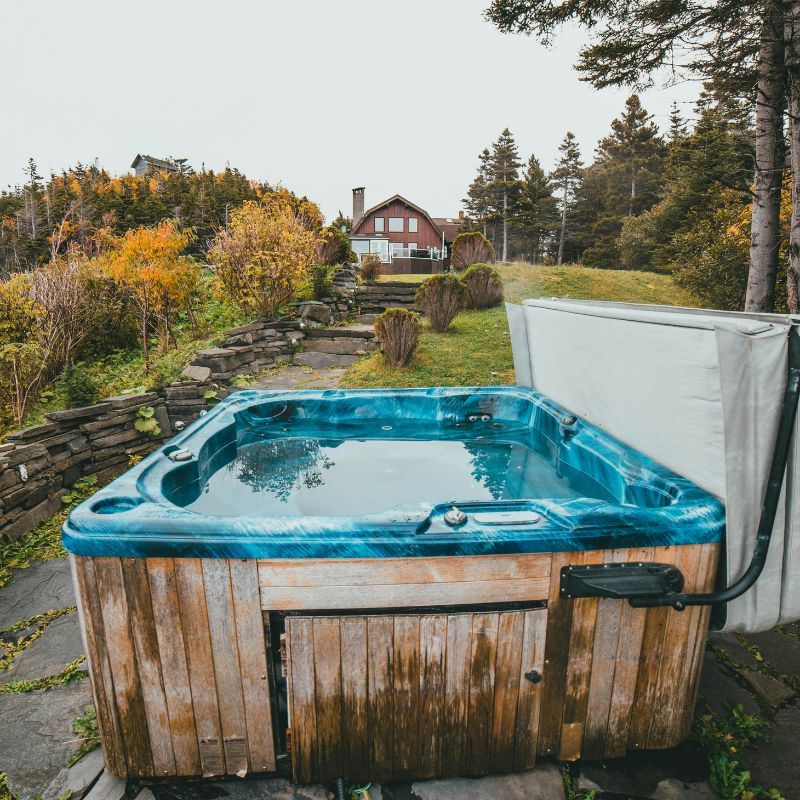
Acrylic vs. Fiberglass Spa Shells: A Data-Driven Guide to Durability, Cost & Design
Abstract:
Choosing the right material for luxury spa shells—acrylic or fiberglass—impacts longevity, aesthetics, and operational costs. This article provides a scientific comparison of acrylic and fiberglass, supported by industry data and real-world applications. Learn why acrylic’s molecular structure, thermal efficiency, and ease of maintenance make it the superior choice for high-end spas, and discover actionable tips to optimize your investment.
1. Introduction
The choice between acrylic and fiberglass spa shells is a critical decision for homeowners and commercial buyers. While fiberglass has historical roots in spa manufacturing, advancements in acrylic technology have positioned it as the premium option. This guide combines material science, performance metrics, and practical insights to explain why acrylic outperforms fiberglass in luxury spas.
2. Material Science: Acrylic vs. Fiberglass
2.1 Molecular Structure & Manufacturing Process
- Acrylic (PMMA): A thermoplastic polymer with linear molecular chains, allowing localized stress absorption and resistance to cracking. It is molded through vacuum forming or injection molding, enabling seamless designs.
- Fiberglass: A composite of thermosetting resin (e.g., polyester) and glass fibers. Once cured, its cross-linked structure is rigid but prone to brittle fractures under sudden impacts.
2.2 Industry Standards & Performance Data
- Impact Resistance (ASTM D256):
- Acrylic: 0.4 ft-lb/in
- Fiberglass: 0.2 ft-lb/in
- Thermal Conductivity (W/m·K):
- Acrylic: 0.19
- Fiberglass: 0.35
3. Durability in Extreme Conditions
3.1 UV & Chemical Resistance
- Acrylic: Retains clarity and color under UV exposure due to inherent UV stabilizers. Resists chlorine and bromine corrosion, with a non-porous surface preventing bacterial growth.
- Fiberglass: Requires UV-resistant gel coatings to delay yellowing. Porous surface traps chemicals, leading to degradation over time.
4. Thermal Efficiency & Energy Savings
4.1 Heat Retention Metrics
- Acrylic’s low thermal conductivity reduces heat loss by 40% compared to fiberglass, cutting energy costs by up to $200 annually for outdoor spas.
4.2 Case Study: Nordic Spas
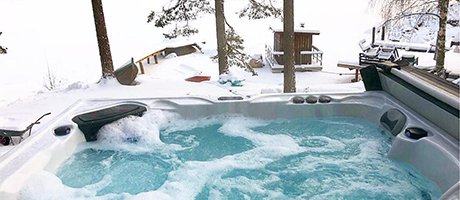
A luxury spa resort in Canada reduced heating costs by 35% after switching to acrylic shells, leveraging their insulation properties in sub-zero climates.
5. Aesthetic Flexibility & Customization
5.1 Design Capabilities
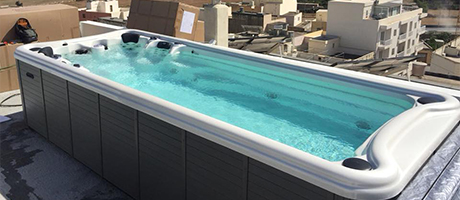
- Acrylic: Can be molded into curves, infinity edges, and integrated lighting. Available in 50+ colors and finishes (e.g., metallic, matte).
- Fiberglass: Limited to basic shapes and requires post-molding coatings for gloss.
5.2 Real-World Applications
- Hotel Luxury Spas: 85% of 5-star hotels prefer acrylic for its seamless, high-end appearance.
- Residential Pools: Custom acrylic spas increase property value by 7–12% (National Realtors Association, 2023).
6. Maintenance & Long-Term Costs
6.1 Annual Maintenance Comparison
| Expense | Acrylic | Fiberglass |
| Cleaning Supplies | $30 | $80 |
| Repairs | $20 | $150 |
| Total | $50 | $230 |
6.2 Repair Protocols
- Acrylic Scratches: Buff with a polishing compound (DIY, 15 minutes).
- Fiberglass Cracks: Require epoxy resin application and professional refinishing (cost: 500).
7. Buyer’s Decision Guide
7.1 Decision Tree for Material Selection
Outdoor Use + High Aesthetics → Choose Acrylic
Budget-Conscious + Basic Design → Consider Fiberglass
Commercial Use + Low Maintenance → Acrylic (ROI in 3–5 years)
7.2 Questions to Ask Suppliers
- “What ASTM standards does your acrylic meet for UV resistance?”
- “Can you provide a 10-year durability warranty?
8. Conclusion
Acrylic spa shells dominate luxury markets through superior durability, energy efficiency, and design versatility. By prioritizing acrylic, buyers reduce long-term costs and enhance user satisfaction. Fiberglass remains a budget option but fails to match acrylic’s performance in demanding environments.

点击右上角
分享给朋友吧







 Long by picture save/share
0

English
- 中文
- English
Share to:  |
|
Copyright© GUANGZHOU SUNRANS SANITARY WARE CO.,LTD
粤ICP备17099389号-2
Contact us
Tel: +86-20-86181657 Email: sales@sunrans.com
Share to
Contact us Tel: +86-020-26231998 Email: sales@sunrans.com Post code: 511300
Copyright © GUANGZHOU SUNRANS SANITARY WARE CO.,LTD 粤ICP备17099389号
