请双击输入内容...


Tel: +86-20-86181657

Email: sales@sunrans.com
Share to:

















- Media News -
Hot Tub Energy Costs 2024: Monthly Expenses & Calculator Guide
Time: 2025-04-23 10:05:06
Author: SUNRANS
Click:
Understanding the monthly costs of running a hot tub is essential for budget-conscious buyers. This guide breaks down energy expenses, maintenance requirements, and practical tips to optimize efficiency. Using a 2024 energy calculator framework, we provide actionable insights to help you estimate and reduce operational costs while maintaining peak performance.
1. Introduction to Hot Tub Energy Consumption
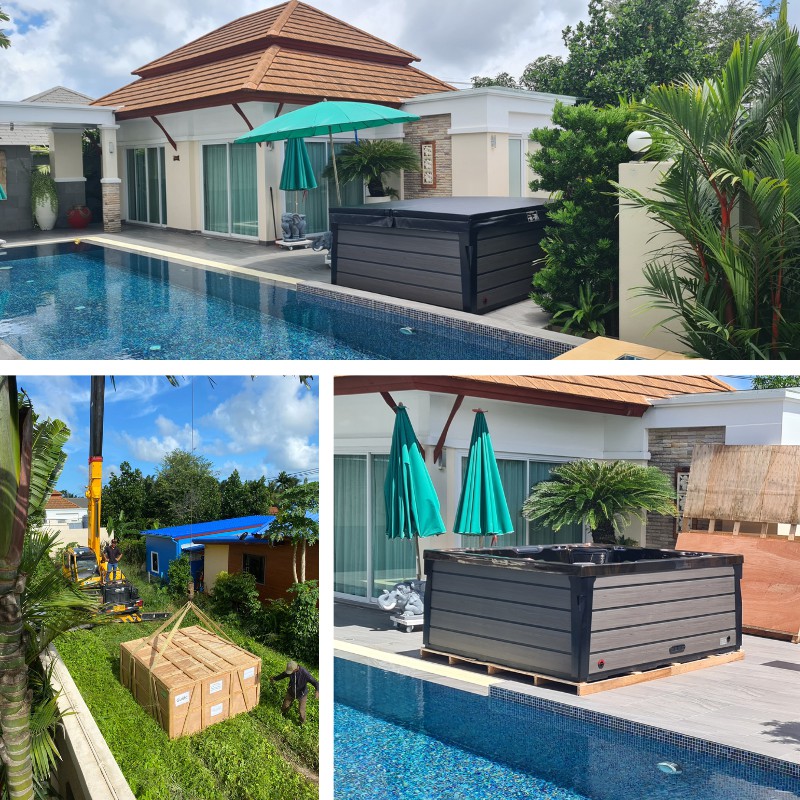
Hot tubs offer relaxation and therapeutic benefits, but their operational costs depend on factors like energy rates, climate, and usage patterns. In 2024, the average monthly energy cost for a hot tub ranges from $20 to $60, with annual expenses totaling $240 to $720 for electricity alone. Additional costs include chemicals, filters, and occasional repairs, making informed budgeting critical for long-term ownership.
2. Factors Influencing Monthly Hot Tub Costs
2.1 Heater and Pump Efficiency
Hot tub heaters typically consume 1,500–6,000 watts, depending on voltage (120V vs. 240V). Larger heaters heat water faster but increase energy use. Pumps, which circulate water and filter debris, add 1,500 watts of continuous load. Opting for energy-efficient models with programmable timers can reduce idle energy consumption by 20–30%.
2.2 Climate and Insulation
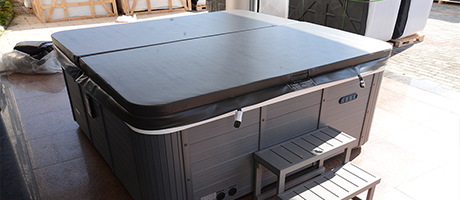
Colder climates require more energy to maintain water temperature. For example, a hot tub in Minnesota may cost 50% more monthly than one in California. Insulating covers and thermal blankets are critical—they reduce heat loss by up to 70%, saving 20/month.
2.3 Usage Frequency and Temperature Settings
Frequent use at higher temperatures (e.g., 104°F vs. 100°F) raises costs. Lowering the thermostat by 2°F can save 5–10% in energy. Modern hot tubs with 'vacation modes' maintain minimal heating during periods of inactivity, further cutting expenses.
3. Maintenance Costs and Best Practices
3.1 Chemical and Filter Expenses
- Chemicals: Chlorine or bromine tablets cost /year to maintain pH and sanitization. Saltwater systems reduce chemical use but require initial investments in generators.
- Filters: Replaceable filters cost every 1–2 years. Regular cleaning prevents clogging and extends pump life.
3.2 Seasonal Maintenance
- Winterizing: In freezing climates, draining the tub or using antifreeze prevents pipe damage. Insulated covers and wind barriers are essential.
- Summer Care: UV-resistant covers protect against sun damage, while shade structures reduce algae growth.
4. Using a 2024 Energy Calculator for Cost Estimation
To estimate monthly expenses, apply this formula:
Example Calculation:
- Heater: 4,000 watts (4 hours/day)
- Electricity rate: $0.15/kWh
- Monthly energy cost:
- Maintenance: $25 (chemicals and filters)
- Total: $97/month
For precise estimates, use online tools like the HVAC Energy Calculator, adjusting for local energy rates and insulation quality.
5. Energy-Saving Tips for Hot Tub Owners
- Upgrade Insulation: Thermal blankets and foam-filled cabinets minimize heat loss.
- Optimize Pump Cycles: Run pumps during off-peak hours (e.g., late evening) to leverage lower electricity rates.
- Monitor Water Chemistry: Balanced pH levels improve heater efficiency and reduce chemical waste.
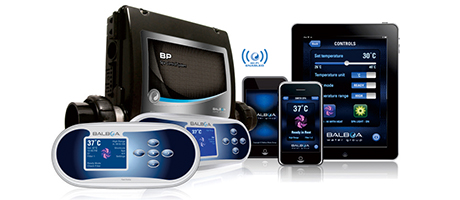
- Invest in Smart Controls: Wi-Fi-enabled systems adjust heating schedules based on usage patterns.
6. Conclusion
Proactive maintenance and energy-efficient practices can reduce hot tub costs by 30–40% annually. By leveraging modern technology and adhering to seasonal care routines, owners enjoy both financial savings and uninterrupted relaxation. For personalized estimates, consult a BTU energy meter or local energy auditor to tailor solutions to your specific setup.

点击右上角
分享给朋友吧







 Long by picture save/share
0

English
- 中文
- English
Share to:  |
|
Copyright© GUANGZHOU SUNRANS SANITARY WARE CO.,LTD
粤ICP备17099389号-2
Contact us
Tel: +86-20-86181657 Email: sales@sunrans.com
Share to
Contact us Tel: +86-020-26231998 Email: sales@sunrans.com Post code: 511300
Copyright © GUANGZHOU SUNRANS SANITARY WARE CO.,LTD 粤ICP备17099389号
