请双击输入内容...


Tel: +86-20-86181657

Email: sales@sunrans.com
Share to:







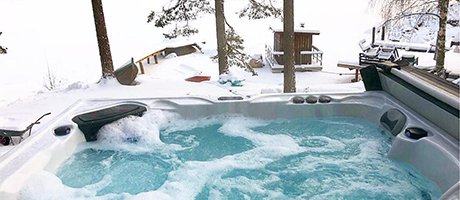
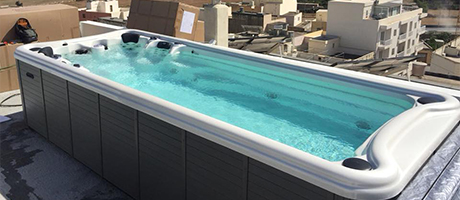

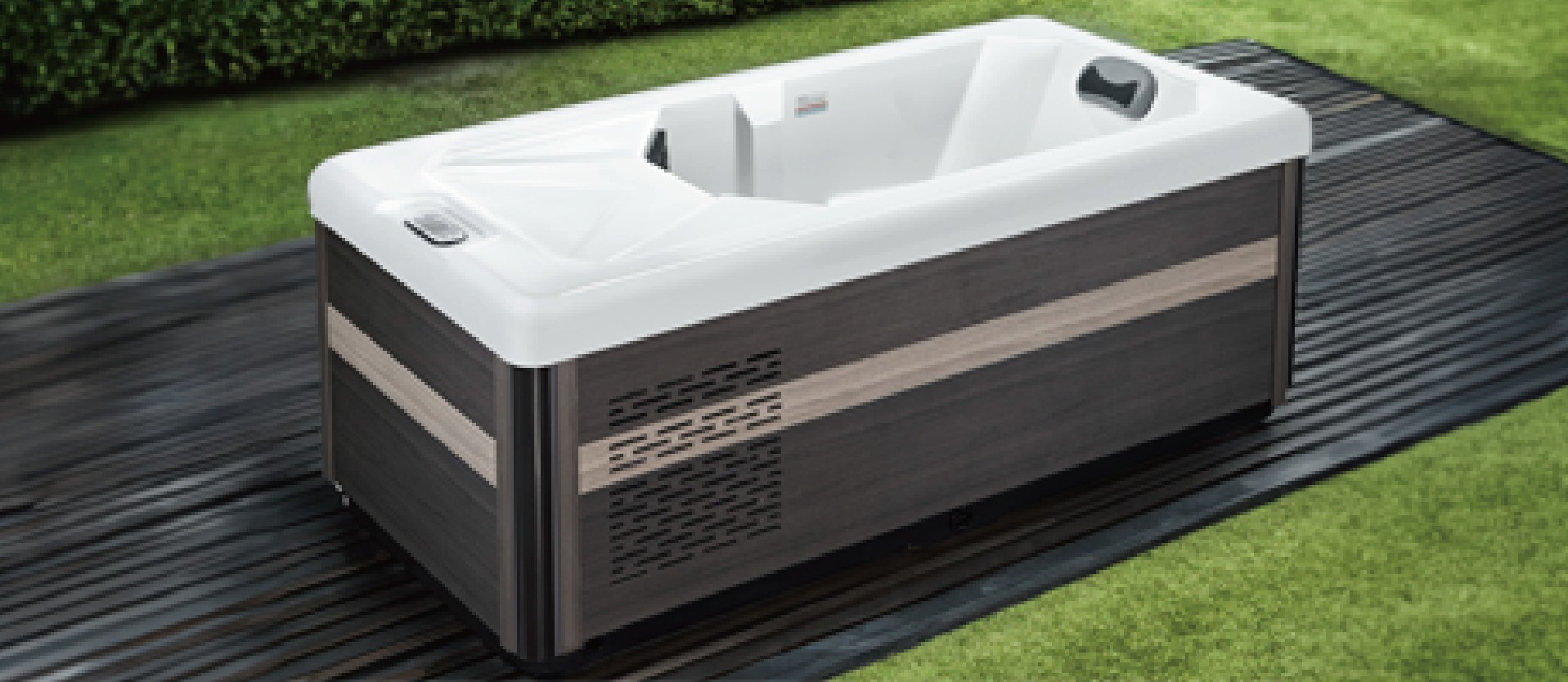






- Media News -
Acrylic vs Inflatable Hot Tub: What Dealers Should Know Before Stocking
Time: 2026-09-09 17:06:29
Author: SUNRANS
Click:
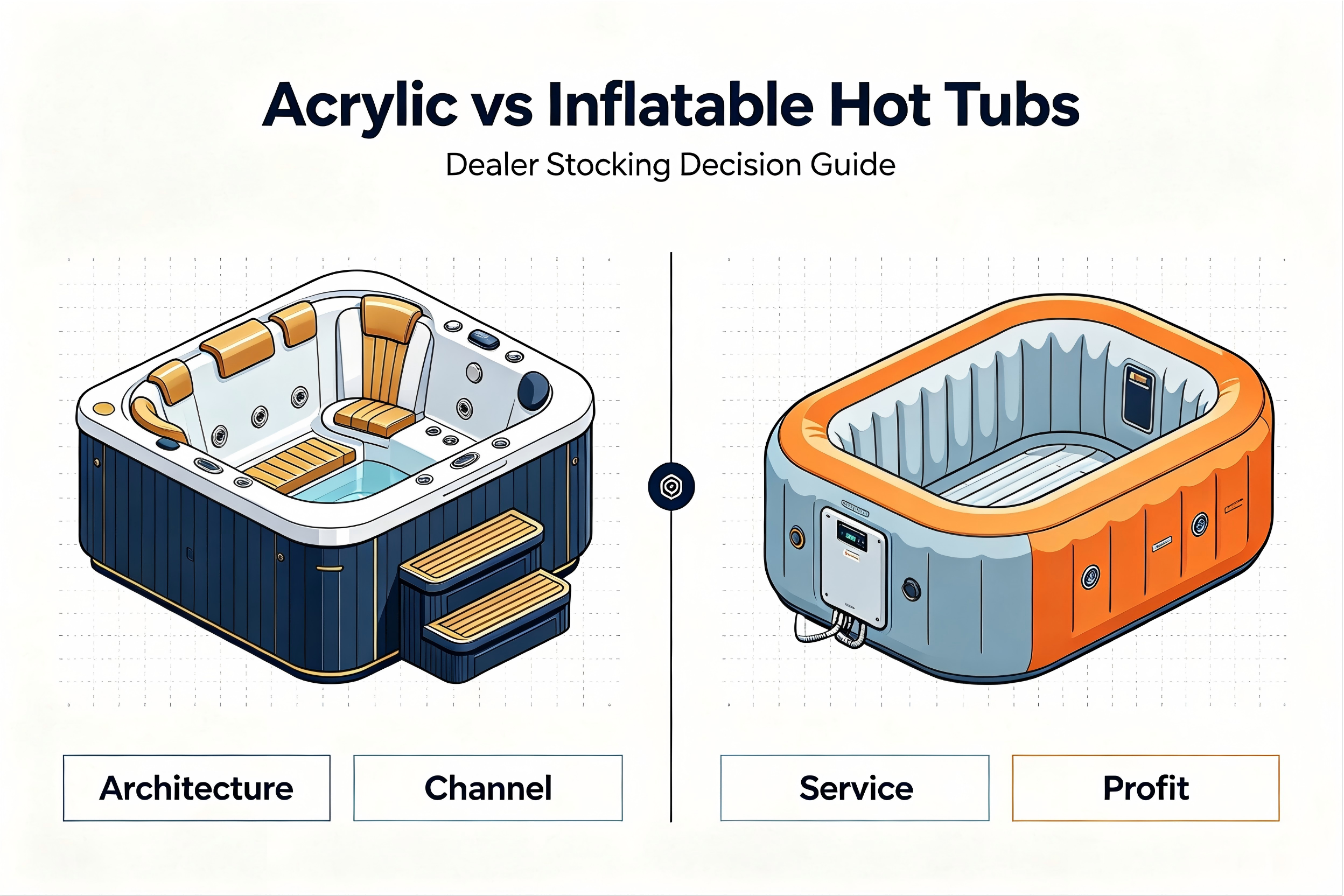
Acrylic and inflatable hot tubs serve different customer segments. Acrylic models offer integrated seating, stronger equipment options, insulation choices, longer-term serviceability and premium positioning. Inflatable models prioritize low entry cost, portability and compact storage. Dealers should choose based on channel, customer expectations, service model and margin structure.
Acrylic vs Inflatable Hot Tub: What Dealers Should Know Before Stocking
Buyer Context and Decision Scope
Acrylic and inflatable hot tubs should not be treated as lower and higher versions of one identical product. Their structures, delivery methods, retail channels and ownership expectations are different. An inflatable model can solve affordability, temporary use and storage. An acrylic model can support molded seating, targeted jets, integrated equipment and a longer service relationship.
The stocking decision should begin with the dealer's customer and operating model. Define target ticket, sales channel, showroom or warehouse capacity, climate, typical site, installation support, technician network, return or claim process and brand position. Compare real models under the same use and climate assumptions; avoid universal lifespan, energy or performance statements.
Two Different Product Architectures
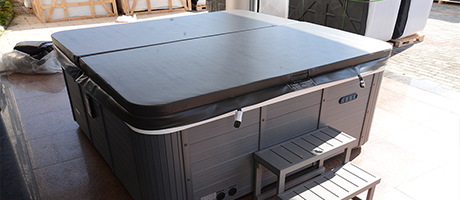
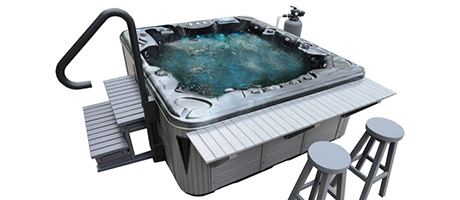
An acrylic hot tub uses a rigid formed shell supported by reinforcement and a frame or structural system, with integrated seating, equipment bay, jets, cabinet and base. An inflatable product uses flexible walls and a compact equipment arrangement that varies by model. For distributors and project buyers, architecture determines delivery, setup, comfort, service access and the type of parts the dealer must support. Record the answer against the exact model, destination market and document revision because a family-level statement may not apply to every configuration.
Inspect shell or liner, support, floor, seating, equipment arrangement, cover and repair method. Confirm what remains assembled, what is customer-installed and how the product is stored or moved. Ask the supplier to provide construction section, material declaration, component map, setup manual and packed configuration. Choose the architecture that matches the promised ownership experience rather than comparing appearance alone. Where suppliers use different terms, translate each response into the same scorecard field and keep assumptions visible for the technical reviewer.
Customer Segment and Retail Positioning
Acrylic models commonly target permanent backyard installations, design integration, defined seating and premium specialist sales. Inflatable models often target entry-level, seasonal, rental, temporary or space-flexible needs through mass retail and e-commerce. For distributors and project buyers, channel economics, customer education and service expectations differ before any technical feature is compared. Record the answer against the exact model, destination market and document revision because a family-level statement may not apply to every configuration.
Review target ticket, purchase frequency, display need, online explanation, setup support, delivery promise and expected ownership horizon. Keep price ladders separate when the categories attract different missions. Ask the supplier to provide customer research, channel data, return/claim reasons and competitor assortment mapping. Do not stock a category that conflicts with the dealer's brand promise or support capability merely to fill a price point. Where suppliers use different terms, translate each response into the same scorecard field and keep assumptions visible for the technical reviewer.
Hydrotherapy and User Experience
Rigid acrylic shells can mold seats and loungers around body zones and integrate multiple jet types, pumps and controls. Inflatable models may provide bubbles or hydrotherapy jets depending on the product; capability should never be generalized across the category. For distributors and project buyers, the sales team must align the experience with customer expectations for posture, water depth, massage and noise. Record the answer against the exact model, destination market and document revision because a family-level statement may not apply to every configuration.
Test usable seating, entry, water line, foot space, jet or bubble behavior, controls and simultaneous use. Compare the exact operating configuration rather than marketing names. Ask the supplier to provide labeled layout, component list, wet demonstration and operating manual. Position inflatable convenience and acrylic integrated therapy on their real strengths without disparaging either format. Where suppliers use different terms, translate each response into the same scorecard field and keep assumptions visible for the technical reviewer.
Insulation, Climate and Operating Cost
Acrylic products can use shell, plumbing or cabinet insulation and rigid covers, while inflatable performance depends on wall, floor, ground mat, cover and operating method. Designs vary substantially within both categories. For distributors and project buyers, climate and routine influence heat loss, warm-up, freeze risk and customer satisfaction. Record the answer against the exact model, destination market and document revision because a family-level statement may not apply to every configuration.
Use matched ambient temperature, water set point, cover use, session frequency, tariff and test duration. Include ground condition, wind and standby routine, and distinguish product capability from owner practice. Ask the supplier to provide construction/insulation specification, cover data, approved ambient guidance and a matched-condition calculation or test. Do not publish a universal energy percentage or cold-climate winner without model-level data. Where suppliers use different terms, translate each response into the same scorecard field and keep assumptions visible for the technical reviewer.
Installation, Portability and Site Needs
Acrylic products require a planned delivery route, load-bearing base, model-specific electrical work and service clearance. Inflatable models are easier to relocate or store, but they still need a suitable level base, electrical safety, water care and space for setup and drainage. For distributors and project buyers, portable does not mean site-free, and permanent does not mean site inflexible when planning starts early. Record the answer against the exact model, destination market and document revision because a family-level statement may not apply to every configuration.
Review packed and operating dimensions, weight/load, gate route, setup labor, electrical supply, drainage, weather exposure, winter storage and service access. Ask the supplier to provide installation or setup manual, packed data, load information, site checklist and local electrical review. Sell the convenience accurately and place holds on unsafe or unsupported sites for either format. Where suppliers use different terms, translate each response into the same scorecard field and keep assumptions visible for the technical reviewer.

Durability, Repair and After-Sales
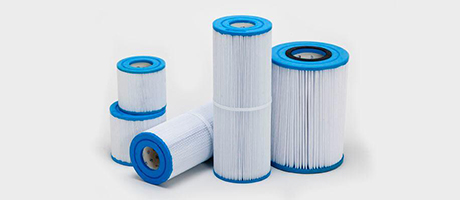
Acrylic products may support replacement pumps, controls, jets, filters, cabinet panels and other components, while shell or surface repair follows product-specific policy. Inflatable support can involve liner patches, replacement liners or compact equipment modules, depending on brand and model. For distributors and project buyers, dealer cost depends on failure mode, parts, labor, return logistics and claim evidence, not a universal lifespan. Record the answer against the exact model, destination market and document revision because a family-level statement may not apply to every configuration.
Map serviceable components, typical diagnostic path, field versus depot repair, packaging for returns, parts lead time and warranty exclusions. Use actual claim data when available. Ask the supplier to provide exploded parts list, repair guide, starter-spares recommendation, warranty workflow and dealer service data. Select a service model the channel can execute profitably and transparently. Where suppliers use different terms, translate each response into the same scorecard field and keep assumptions visible for the technical reviewer.
Logistics, Inventory and Dealer Margin
Acrylic hot tubs use more freight and storage space, have higher ticket values and often rely on showroom, project and local service. Inflatable products pack more compactly, can turn faster and may face stronger online price competition and return pressure. For distributors and project buyers, gross margin must be evaluated after freight, storage, damage, returns, installation support, parts and warranty administration. Record the answer against the exact model, destination market and document revision because a family-level statement may not apply to every configuration.
Model landed cost, units per shipment, display allocation, warehouse footprint, sell-through, markdown, return rate, technician effort and repeat purchases. Keep the categories as separate inventory models. Ask the supplier to provide packed data, loading plan, channel fees, historical returns/claims and a contribution-margin model. Stock the architecture that fits both customer demand and the dealer's operating economics. Where suppliers use different terms, translate each response into the same scorecard field and keep assumptions visible for the technical reviewer.
Dealer Stocking Decision Matrix
The final matrix should score target customer, channel, climate, ticket, experience, installation, service capability, storage, freight, returns and brand position. Weight the criteria before comparing products so that low price does not dominate unrelated decisions. For distributors and project buyers, a visible scorecard turns an emotional category debate into a repeatable portfolio decision. Record the answer against the exact model, destination market and document revision because a family-level statement may not apply to every configuration.
Use separate roles such as entry/seasonal, core family, premium therapy and project. A dealer can specialize or carry both categories when each has distinct messaging, stock rules and support ownership. Ask the supplier to provide weighted matrix, customer and channel data, supplier evidence and a pilot-order review. Do not declare one format universally better; choose the product architecture aligned with the dealer's capabilities. Where suppliers use different terms, translate each response into the same scorecard field and keep assumptions visible for the technical reviewer.
B2B Comparison Matrix
Use the matrix below to normalize supplier and model responses. Every row should be linked to a current document, test or responsible reviewer rather than accepted as an unsupported catalog claim.
Decision factor | Acrylic hot tub | Inflatable hot tub | Dealer implication |
Architecture | Rigid formed shell, integrated seats/equipment, frame/base/cabinet | Flexible wall and compact equipment architecture, model dependent | Different setup, comfort, repair and ownership expectations |
Positioning | Permanent outdoor living, therapy and specialist/project sales | Entry, seasonal, temporary and space-flexible use | Keep category promise and price ladder clear |
Logistics | Large freight/storage footprint and local handling | Compact packed format and parcel/pallet potential | Model full contribution after damage, returns and support |
Service | Field-replaceable systems and parts ecosystem, model dependent | Liner/patch/module support varies by brand/model | Verify failure modes, repair channel, parts and warranty |
Climate | Insulation and rigid cover options vary | Walls, floor, ground and cover design vary | Use matched conditions; avoid universal energy claims |
Dealer Stocking Scorecard
Mark each item as verified, conditional or open. Record the evidence source, revision and person responsible for closure.
1. Target customer, channel, price mission and expected ownership horizon.
2. Site permanence, portability/storage need, climate and setup capability.
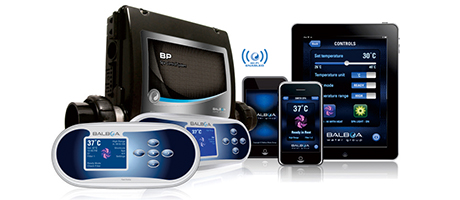
3. Seating, water depth, hydrotherapy expectation, controls and noise.
4. Packed volume, freight, warehouse/display space, damage and return process.
5. Installation/setup support, serviceable parts, repair channel and technician need.
6. Contribution margin after freight, support, claims, markdown and lifecycle service.

Final Recommendation
Acrylic and inflatable hot tubs are valid solutions for different jobs. Dealers should compare architecture, customer, climate, experience, logistics and service economics, then assign each product a clear channel role. Objective category education builds more trust than trying to make either format appear universally superior.
Frequently Asked Questions
Is an acrylic hot tub better than an inflatable hot tub?
Not universally. Acrylic products suit integrated seating, targeted systems, permanent installation and service-led premium channels. Inflatable products suit affordability, portability and seasonal or space-flexible use. The better choice depends on customer and dealer capability.
Which type lasts longer?
A universal lifespan claim is not reliable. Materials, design, climate, use, water care, storage, maintenance, repair and parts support all matter. Compare model-specific construction, warranty scope and actual dealer claim data.
Which hot tub is better for cold climates?
Cold-climate suitability depends on the exact wall/shell, floor, insulation, cover, plumbing, freeze protection, ambient guidance and owner routine. Compare matched models under documented conditions rather than choosing only by architecture.
Do inflatable hot tubs have hydrotherapy jets?
Some provide air bubbles, water jets or other systems, while others do not. Capability varies by model. Review the exact equipment, demonstration, controls and seating experience rather than generalizing across inflatable products.
Which type is easier for dealers to ship and stock?
Inflatable products are generally more compact when packed. Acrylic hot tubs require more container, warehouse and handling space. The dealer should compare contribution after freight, damage, returns, displays, installation support and service.
What after-sales support is needed for acrylic hot tubs?
Dealers need commissioning guidance, water-care education, diagnostics, manuals, replaceable components, starter spares, claim evidence and an escalation path. Technician skill and local labor responsibility should be agreed before launch.

点击右上角
分享给朋友吧







 Long by picture save/share
0

English
- 中文
- English
Share to:  |
|
Copyright© GUANGZHOU SUNRANS SANITARY WARE CO.,LTD
粤ICP备17099389号-2
Contact us
Tel: +86-20-86181657 Email: sales@sunrans.com
Share to
Contact us Tel: +86-020-26231998 Email: sales@sunrans.com Post code: 511300
Copyright © GUANGZHOU SUNRANS SANITARY WARE CO.,LTD 粤ICP备17099389号
