请双击输入内容...


Tel: +86-20-86181657

Email: sales@sunrans.com
Share to:















- Media News -
Hot Tub Buying Guide for Distributors: 12 Specifications to Compare
Time: 2026-08-19 08:38:22
Author: SUNRANS
Click:
A distributor should evaluate a hot tub as a complete product-and-support system, not by jet count or appearance alone. A sound buying decision compares construction, insulation, hydraulics, controls, compliance, service access, packaging, warranty and spare-parts support against the needs of a clearly defined market segment.
 Hot Tub Buying Guide for Distributors: 12 Specifications to Compare
Start With the Market, Not the Model
A useful hot tub buying guide begins with the customer and channel. Before comparing models, define whether the assortment will serve entry-level home buyers, premium outdoor-living projects, hospitality applications or a mix. The answer changes the required seating layouts, cabinet finishes, insulation, electrical configurations, documentation and after-sales commitment.
Next, write a short market brief for each target segment: typical site, climate, household or guest profile, desired retail price band, preferred sales channel and installer capability. A dealer focused on compact urban terraces needs a different SKU architecture from a project supplier serving villas or resorts. This market-first approach keeps the range coherent and gives manufacturers a clear basis for quoting comparable configurations.
Finally, define the commercial objective. Is the range designed for volume, margin, design differentiation, private label or project flexibility? That choice should control the scorecard weighting. For example, a service-led dealer may give parts commonality and equipment access more weight than decorative options, while a hospitality buyer may prioritize documentation, reliability and planned maintenance.
12 Hot Tub Specifications Distributors Should Compare
The following hot tub specifications form a practical RFQ scorecard. Ask every supplier to answer the same questions and attach model-level evidence. A catalog logo or general statement is not a substitute for a current specification sheet, drawing, certificate scope or component list.
Specification | What to compare | Evidence to request |
1. Acrylic and shell | Acrylic brand and grade; sheet thickness; forming consistency; reinforcement method; repair guidance. | Material declaration, close-up photos, shell section or production record for the quoted model. |
2. Frame and base | Frame material, corrosion protection, moisture isolation, load support and access to components. | Frame/base photos, construction drawing and statement of replaceable access panels. |
3. Insulation and cover | Shell, plumbing or cabinet insulation; cover construction; climate assumptions behind energy claims. | Insulation specification and matched-condition test method, not a universal savings claim. |
4. Pumps and hydraulics | Pump type and rating, dedicated circulation, pipe routing, flow balance and component accessibility. | Hydraulic diagram, pump data and a wet demonstration under the quoted jet configuration. |
5. Jet design | Jet types, placement, adjustability, zone logic and fit for the intended seating positions. | Labeled seat/jet map. Total jet count alone does not show massage quality or balance. |
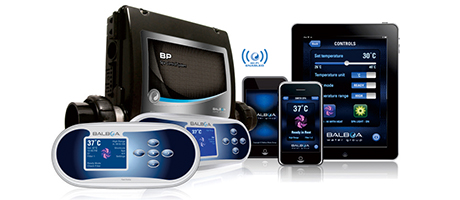
6. Control system | Controller supplier, panel, voltage/frequency, diagnostics, language, connectivity and parts availability. | Exact control pack and panel on the BOM, plus manuals for each destination configuration. |
7. Filtration and sanitation | Circulation method, filter size and access, turnover logic, ozone or other options, and local suitability. | Water-care diagram, filter part number, replacement interval guidance and option boundaries. |
8. Electrical and compliance | Rated supply, heater and protection requirements; applicable destination-market certification scope. | Certificate and report pages matching the exact model, control system and electrical configuration. |
9. Serviceability | Equipment-bay access, component standardization, unions and valves, diagnostics, manuals and training. | Service-bay photos, exploded parts list, fault guide and expected remote-support process. |
10. Cabinet weather resistance | Cabinet material, UV and moisture exposure, fastening, ventilation and replacement-panel availability. | Material specification, outdoor-use guidance and parts identification for each cabinet finish. |
11. Packaging and logistics | Packed dimensions and weight, protection points, container mix, unloading method and damage records. | Packing photos, packing list, loading plan and claim procedure for visible or concealed damage. |
12. Warranty and spare parts | Coverage by component, exclusions, labor responsibility, claim evidence, response path and initial spares. | Current written policy, claim workflow and priced starter-spares recommendation before purchase order. |
The SUNRANS hot tub catalog illustrates why model-level confirmation matters. Selected catalog models are presented with Aristech acrylic, Balboa controls, 304 stainless-steel frames, ABS/FRP bases, covers and shell insulation. The same catalog also shows configuration differences: some models list a dedicated circulation pump, while certain ECO variants use a two-speed jet pump without a separate circulation pump. A distributor should therefore copy only the attributes verified for the exact SKU being quoted.
Pump horsepower and jet count require the same discipline. More is not automatically more useful. The buyer should examine how pump capacity, pipe routing, diverters and jet types work together at each seat. Request a live wet test or unedited demonstration that shows all zones operating, and ask whether the test unit matches the commercial BOM.
Build a Dealer Model Matrix for Acrylic Hot Tubs
A model matrix prevents duplicated SKUs and exposes gaps. Start with a small number of anchor models, then add variants only when they serve a different space, customer or service need. Keep the matrix linked to controlled specification sheets so that a new finish or control option does not silently become a new technical configuration.
Tier | Layout / footprint | System priority | Typical channel role |
Entry / compact | Small footprint; straightforward seating | Simple, serviceable system; controlled option list | First-time buyer, terrace or space-constrained retail |
Core family | Four- to six-seat layouts; balanced upright/lounge mix | Dedicated circulation where specified; dealer-standard controls | Main showroom volume and household replacement demand |
Premium | Larger layouts; differentiated zones and finishes | More hydraulic zones, upgraded controls or selected accessories | Design-led residential and outdoor-living projects |
Project / hospitality | Layout selected by use case and maintenance plan | Documentation, access, parts commonality and compliance prioritized | Hotel, resort, rental or managed wellness setting |
For each SKU, record dimensions, dry and filled weight, seat and lounger count, jet map, pumps, control system, heater, filtration, insulation, cover, electrical configuration, certification status, packed dimensions and parts family. Add the intended use case and target retail band, but keep unapproved prices outside public content.
Evaluate the Hot Tub Manufacturer Behind the Product
Product specifications are only one half of the decision. The manufacturer must be able to control the quoted configuration repeatedly. Ask for a process map covering incoming materials, acrylic forming, reinforcement, frame assembly, plumbing, electrical assembly, wet testing, final inspection and packing. The evidence should be recent, traceable and relevant to the requested model.
Engineering support is especially important when voltage, controls, options or branding change. Confirm who approves drawings, how BOM revisions are controlled and whether safety-critical components can be customized. Commercial support also matters: clear quotations, usable product data, installation documents, training assets and a defined escalation path reduce launch delays.
Compare Landed Hot Tub Cost, Not Only Unit Price
A low unit price can become an expensive landed SKU when options, packing, low container utilization, freight, duty, local delivery, installation preparation and warranty exposure are included. Normalize quotations with one configuration sheet and one Incoterm. State the shell color, cabinet, cover, controls, pumps, insulation, sanitation options, accessories, documentation and spare-parts pack.
Compare cost per saleable unit, not only cost per shipped unit. Add a realistic allowance for transit damage, local handling, commissioning support, parts inventory and warranty administration. Use the same freight date and exchange-rate assumption for all suppliers. If MOQ or mixed-container policy changes, recalculate the complete scenario rather than accepting a percentage discount at face value.
Run at least three landed-cost cases: the planned launch order, a conservative sales case and a replenishment case. The launch case reveals the cash tied up in display models, starter spares and sales materials. The conservative case tests whether margin survives slower sell-through, storage and extra handling. The replenishment case shows the effect of smaller orders or less efficient loading. Keep tax treatment and local installation revenue separate so the comparison remains auditable. A supplier should be able to provide packed dimensions, weights and container assumptions in a format the freight partner can validate before the purchase order.
A Practical 15-Point Supplier Audit Checklist
Use the checklist below during desktop due diligence and the factory audit. Mark each item as verified, conditional or open, and record the source document and revision date.
1. Confirm the legal manufacturer and production site named on the quotation.
2. Match acrylic and reinforcement evidence to the quoted model or series.
3. Review the current BOM for pumps, controls, heater, filtration and sanitation.
4. Verify voltage, frequency and destination configuration before ordering.
5. Check certificate and test-report scope against the exact model and components.
6. Review drawings for dimensions, dry/filled weight and equipment-bay orientation.
7. Ask for QC gates, inspection criteria and traceable records.
8. Observe or document the wet-test method and acceptance standard.
9. Inspect plumbing support, access, unions, valves and service labeling.
10. Confirm cabinet, base, cover and insulation specifications by SKU.
11. Approve packaging, loading plan, handling instructions and damage-claim evidence.
12. Review manuals, wiring information and installer/customer handover materials.
13. Agree the warranty scope, exclusions, labor responsibility and claim workflow.
14. Define the initial spare-parts package, replenishment process and parts lead time.
15. Request references relevant to the target market and verify them independently.
Final Recommendation
The right supplier is not the one with the longest feature list. It is the one whose product architecture, evidence, compliance discipline and service system reduce risk for the dealer's target market. Begin with three to five anchor SKUs, validate them deeply, and expand only after sales and service data reveal a clear gap.
SUNRANS distributors can use this framework to compare candidate configurations in the acrylic hot tub range. Review the available categories at /hot-tubs/ and the manufacturing information at /hot-tub-manufacturer/. Before requesting a model matrix, prepare your destination market, target segment, expected order or project quantity, required certification, customization scope and timing.
Frequently Asked Questions
What specifications matter most when buying hot tubs wholesale?
Start with shell construction, frame/base, insulation, hydraulics, jet layout, controls, filtration, electrical configuration, certification scope, service access, packaging, warranty and spare parts. Weight each factor according to the dealer's target segment and service capability rather than treating all features equally.
How many hot tub models should a new distributor carry?
A focused launch commonly starts with three to five anchor SKUs covering compact, core family and premium or project demand. The exact number depends on showroom space, container strategy, sales volume and parts capacity. Expand only when customer and service data show a specific assortment gap.
What certifications should a hot tub supplier provide?
The supplier should provide documents applicable to the destination market and exact electrical configuration. Buyers must confirm that model names, control systems and other covered components match the quotation. A certificate logo or company-wide claim is not enough; use qualified local compliance advice where required.
How should distributors compare hot tub insulation?
Compare the location and material of insulation, the cover specification, plumbing exposure and service access. Ask for the test method behind any energy statement, including ambient temperature, water setpoint, cover use and operating cycle. Do not compare unmatched marketing percentages.
What spare parts should be included in a first order?
Build the starter pack from the installed base and component commonality. Typical planning categories include filters, seals, jets, sensors, control interfaces, valves and selected pump or heater service parts. Final quantities should follow the quoted BOM, expected field failure modes and local service plan.
How can a buyer verify a hot tub factory's quality process?
Request a process map, recent production evidence, QC criteria, wet-test records, serial traceability and packing inspection records for relevant models. During an audit, follow one unit from material identification through testing and packing, then compare the records with the approved specification and purchase order

点击右上角
分享给朋友吧







 Long by picture save/share
0

English
- 中文
- English
Share to:  |
|
Copyright© GUANGZHOU SUNRANS SANITARY WARE CO.,LTD
粤ICP备17099389号-2
Contact us
Tel: +86-20-86181657 Email: sales@sunrans.com
Share to
Contact us Tel: +86-020-26231998 Email: sales@sunrans.com Post code: 511300
Copyright © GUANGZHOU SUNRANS SANITARY WARE CO.,LTD 粤ICP备17099389号
