请双击输入内容...


Tel: +86-20-86181657

Email: sales@sunrans.com
Share to:












- Media News -
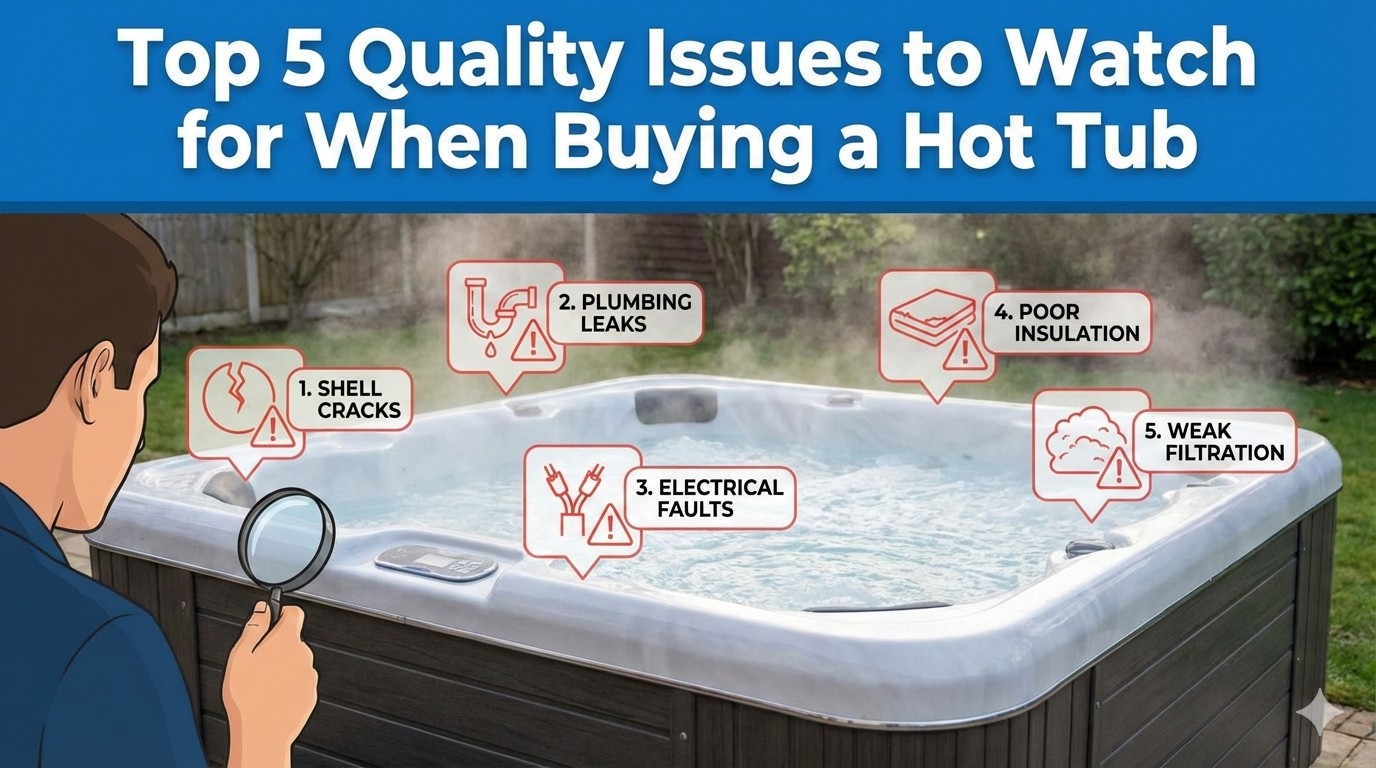
Top 5 Quality Issues to Watch for When Buying a Hot Tub
Time: 2025-12-29 14:53:33
Author: SUNRANS
Click:
Buying a hot tub is a long-term investment in comfort, wellness, and lifestyle. However, many buyers focus only on appearance, price, or jet count while overlooking critical quality factors that directly affect safety, durability, and long-term ownership costs. This article breaks down the top five quality issues to watch for when buying a hot tub, based on real manufacturing experience and common buyer complaints from international markets. Whether you are a homeowner, resort operator, or spa d
Introduction: Why Hot Tub Quality Matters More Than Ever
The global hot tub market has grown rapidly in recent years, driven by increased interest in home wellness, hydrotherapy, and luxury outdoor living. With more brands and suppliers entering the market, buyers now face a wide range of choices — and equally wide variations in quality.
While many hot tubs may look similar on the surface, the difference between a high-quality spa and a poorly built one often becomes apparent only after months of use. Leaks, rising energy bills, frequent repairs, and lack of after-sales support are among the most common complaints reported by buyers.
To help you make an informed decision, this article outlines the five most critical quality issues to evaluate before purchasing a hot tub, and explains how these factors impact performance, safety, and total cost of ownership.
1. Plumbing and Leak Prevention Quality
Why Plumbing Is the Heart of a Hot Tub
A hot tub is essentially a complex plumbing system that operates under constant water pressure and temperature fluctuations. Poor plumbing design or assembly is the number one cause of hot tub failure.
Common plumbing-related issues include:
- Water leaks after installation
- Loose or cracked pipe joints
- Premature failure due to vibration and pressure
What to Look For
A high-quality hot tub should feature:
- Rigid PVC pipes with proper wall thickness
- Industrial-grade adhesive applied evenly at joints
- Stainless steel clamps securing key connections
- Vibration-reducing pipe layouts around pumps
Reputable manufacturers also perform full water testing before shipping, running the spa under pressure for extended periods to ensure zero leakage.
Red Flags to Avoid
- No mention of pre-shipment water testing
- Excessive use of soft hoses without reinforcement
- Poor access to plumbing for maintenance
2. Insulation and Energy Efficiency
The Hidden Cost of Poor Insulation
Energy efficiency is often underestimated at the time of purchase, yet it directly affects long-term operating costs. A poorly insulated hot tub can consume significantly more electricity, especially in colder climates.
Key problems caused by inadequate insulation include:
- Heat loss through cabinet and base
- Increased heater workload
- Higher monthly energy bills
Effective Insulation Systems
High-quality hot tubs typically use:
- High-density polyurethane foam sprayed evenly across the shell
- Sealed or insulated base to prevent heat loss from below
- Insulated cabinet panels designed for cold-weather performance
This type of full-coverage insulation not only improves efficiency but also adds structural support to plumbing components.
Questions Buyers Should Ask
- Is the spa fully foamed or partially insulated
- What insulation thickness is used
- Are energy efficiency tests available
3. Structural Frame and Base Construction
Why the Frame Determines Longevity
The internal frame supports the entire weight of the hot tub, water, and users. For larger spas, this load can exceed several thousand kilograms. Weak or poorly treated frames can lead to long-term structural issues.
Common Structural Problems
- Wooden frames absorbing moisture and rotting
- Warped bases due to uneven weight distribution
- Cabinet deformation over time
Best Practices in Frame Design
Reliable hot tubs use:
- Galvanized or stainless steel frames
- Moisture-resistant materials
- Reinforced bases designed for outdoor use
A strong frame ensures long-term stability, especially for spas installed in commercial environments such as hotels or resorts.
4. Component Quality and System Integration
Not All Components Are Created Equal
Hot tub performance depends heavily on the quality of its internal components, including pumps, control systems, heaters, and jets. Low-grade components may function initially but often fail prematurely.
Key Components to Evaluate
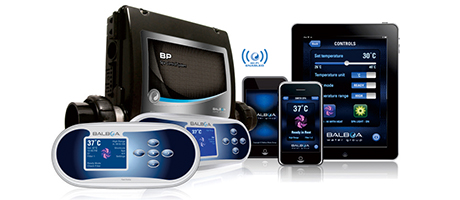
- Control system brand and reliability
- Pump certification and performance ratings
- Heater efficiency and safety protection
- Jet materials and internal design
International buyers should prioritize components that meet recognized electrical and safety standards.
What High-Quality Manufacturers Provide
- Certified control systems from established brands
- Clear electrical specifications for target markets
- Component traceability and replacement availability
5. After-Sales Support and Warranty Transparency
Quality Does Not End at Delivery
Even the best hot tubs require maintenance over time. Poor after-sales support can turn a minor issue into a major problem, especially for overseas buyers.
Common Buyer Complaints
- Delayed responses to service requests
- Unclear warranty coverage
- Lack of spare parts availability
What to Look For in After-Sales Service
- Clearly defined warranty periods by component
- Remote technical support documentation
- Readily available spare parts
- Professional installation and maintenance guidance
Strong after-sales support is often a reflection of a manufacturer’s confidence in product quality.
Conclusion: How to Choose a Hot Tub with Confidence
When buying a hot tub, price and appearance should never be the only deciding factors. True value lies in construction quality, system reliability, and long-term performance.
By paying close attention to:
- Plumbing integrity
- Insulation efficiency
- Structural strength
- Component quality
- After-sales support
buyers can significantly reduce risks and ensure a satisfying ownership experience.
A well-built hot tub is not just a luxury product — it is a carefully engineered system designed to deliver comfort, safety, and durability for years to come.

点击右上角
分享给朋友吧







 Long by picture save/share
0

English
- 中文
- English
Share to:  |
|
Copyright© GUANGZHOU SUNRANS SANITARY WARE CO.,LTD
粤ICP备17099389号-2
Contact us
Tel: +86-20-86181657 Email: sales@sunrans.com
Share to
Contact us Tel: +86-020-26231998 Email: sales@sunrans.com Post code: 511300
Copyright © GUANGZHOU SUNRANS SANITARY WARE CO.,LTD 粤ICP备17099389号
