请双击输入内容...


Tel: +86-20-86181657

Email: sales@sunrans.com
Share to:













- Media News -
Top 10 Swim Spa Maintenance Mistakes to Avoid for Crystal-Clear Water All Year
Time: 2025-11-13 15:04:34
Author: SUNRANS
Click:
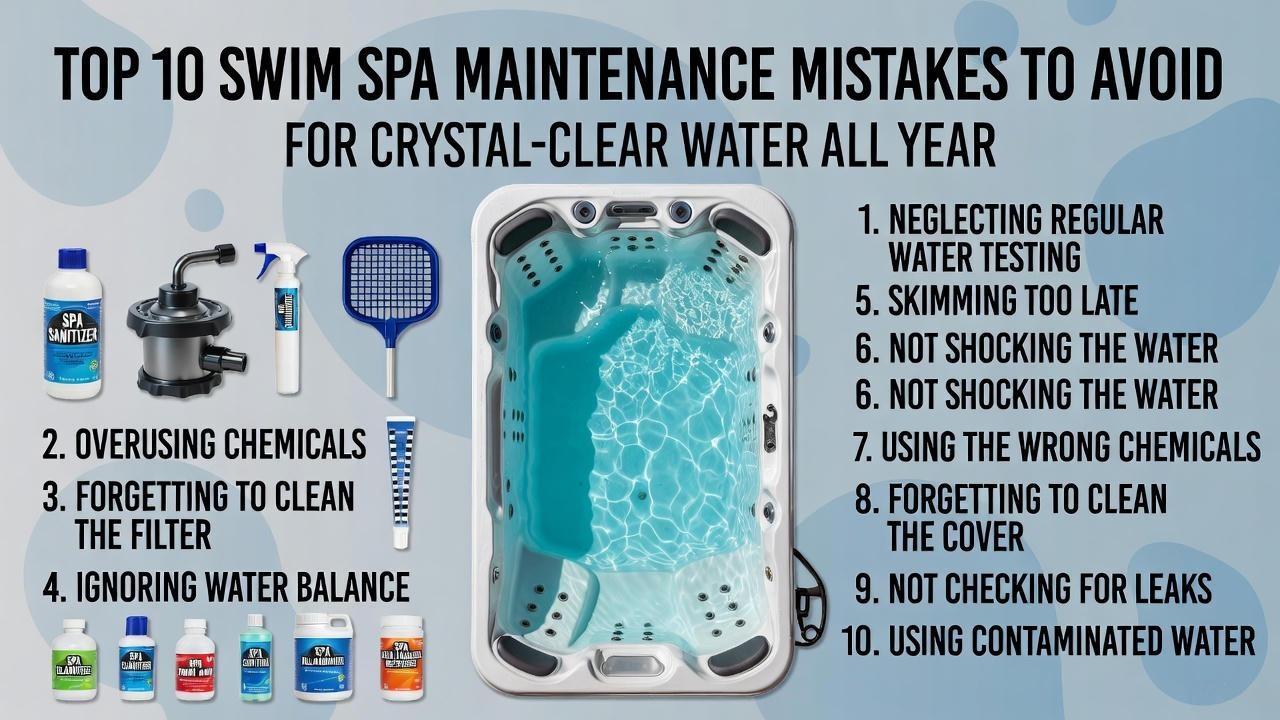
Swim spas offer year-round wellness, blending the therapeutic benefits of hydrotherapy with low-impact exercise in your backyard oasis. However, achieving and maintaining crystal-clear water requires consistent care—yet many owners fall into common pitfalls that lead to cloudy water, bacterial growth, and costly repairs.
Introduction: The Importance of Proactive Swim Spa Care
Owning a swim spa like the luxurious Sunrans models is an investment in health and relaxation, but pristine water doesn't maintain itself. According to recent 2025 industry reports, up to 70% of swim spa issues stem from avoidable maintenance oversights, leading to murky water, skin irritations, and premature equipment wear. Crystal-clear water not only enhances aesthetics but also safeguards against pathogens like bacteria and algae, ensuring safe use for families year-round.
The Sunrans Swim Spas Owner’s Manual emphasizes a structured schedule—daily checks, weekly shocks, monthly deep cleans—to prevent biofilm buildup in pipes and filters. Similarly, the Chemical Guide highlights balancing sanitizers, pH (7.2-7.8), and alkalinity for optimal clarity. Yet, as seen in common troubleshooting sections, small mistakes snowball into big problems. This guide spotlights the top 10 errors, backed by manual insights and fresh 2025 tips from spa experts. By avoiding them, you'll minimize downtime, cut costs, and enjoy uninterrupted swims. Let's dive in.
Mistake 1: Skipping Daily Water Level and Temperature Checks
Why It's a Problem
Fluctuating water levels strain pumps and heaters, causing air locks that reduce circulation and allow contaminants to settle. The Sunrans manuals warn that low water exposes elements to air, risking burnout, while overfilled spas lead to overflows and dilution of sanitizers. In 2025, with variable weather patterns, unchecked levels contribute to 40% of cloudy water complaints, per spa service data.
How to Avoid It
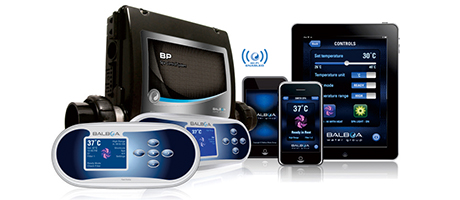
Follow the daily routine from the Chemical Guide: Inspect levels (fill to midway on skimmers) and temperature (ideal 37-40°C/98-104°F). Use the control panel's diagnostics—Gecko or Balboa systems alert via icons. Top off with fresh, filtered water weekly, testing for hardness first. Pro tip: Set reminders on your spa's app for automated nudges.
Mistake 2: Ignoring pH and Alkalinity Balance
Why It's a Problem
Unbalanced pH (below 7.2 or above 7.8) corrodes components and weakens sanitizers, fostering algae and bacteria. The UV Spa Manual notes that low pH accelerates scale in jets, while high pH causes cloudiness from undissolved minerals. Recent studies show imbalanced chemistry accounts for 25% of annual swim spa repairs.
How to Avoid It
Test daily with strips (dip 30cm deep, compare horizontally to charts). Adjust with pH+ (soda ash) or pH- (muriatic acid), waiting 2 hours before retesting. Aim for 80-120 ppm alkalinity first, as per water clarity sections. In hard water areas, add weekly stain/scale control—contact your dealer for a free hardness test.
Mistake 3: Overlooking Weekly Sanitizer Shocks
Why It's a Problem
Without shocking, organic buildup like sweat and lotions forms chloramines, causing that 'swim spa smell' and hazy water. The Chemical Guide stresses shocking post-use to oxidize contaminants; skipping it lets biofilm thrive in pipes, leading to low flow and health risks like dermatitis.
How to Avoid It
Shock weekly with non-chlorine oxidizers (for bromine users) or chlorine-based (for chlorine setups), per manual guidelines. Dissolve granules in warm water first, broadcast evenly with jets on low. Retest after 2 hours—maintain 3-5 ppm free chlorine or 2-5 ppm bromine. 2025 tip: Integrate UV systems for 50% less shocking frequency.
Mistake 4: Neglecting Filter Cleaning and Replacement
Why It's a Problem
Dirty filters trap debris but clog over time, reducing flow by 50% and forcing pumps to overwork—often resulting in overheating alarms. Sunrans's troubleshooting appendix lists clogged filters as the #1 cause of low pressure; neglected ones harbor bacteria, turning clear water murky in weeks.
How to Avoid It
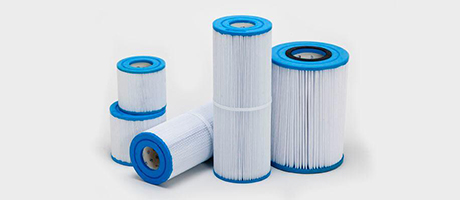
Rinse weekly with a hose (reverse flow), and deep-clean monthly: Soak in filter cleaner for 24 hours, rinse pleats thoroughly, air-dry. Replace every 12-18 months or at 4,000 hours. The manuals recommend spares for seamless swaps during monthly drains. Inspect quarterly for tears—early detection saves $200+ in repairs.
Mistake 5: Using Household Cleaners on Spa Surfaces
Why It's a Problem
Bleach, vinegar, or dish soap leave residues that foam excessively and imbalance chemistry, per the Cleaning Your Spa section. These disrupt pH and irritate skin, while harsh abrasives scratch acrylic shells, voiding warranties. 2025 reports highlight a rise in foam issues from DIY cleaners.
How to Avoid It
Stick to spa-specific products: Use non-abrasive cleaners for shells and vinyl conditioners for covers monthly. After draining (every 4-6 months), wipe with a microfiber cloth and mild spa soap. For pillows, remove and soak in mild detergent—reinstall firmly to avoid leaks.
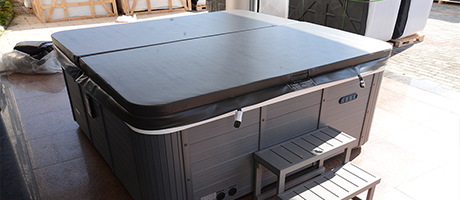
Mistake 6: Forgetting to Cover and Lock the Spa
Why It's a Problem
Uncovered spas lose heat (up to 10°F overnight), invite debris, and pose drowning risks—especially for kids or pets. The Cover Installation guide mandates locking for energy savings (reduces bills by 30%) and UV protection; exposed water evaporates sanitizers, breeding algae.
How to Avoid It
Secure the cover immediately after use, folding it properly to prevent creases. Lock with keys and inspect quarterly for wear. In winter, add a thermal blanket underneath. Manuals advise against sitting on covers—they support only 200 lbs max.
Mistake 7: Overloading with Too Many Users or Sessions
Why It's a Problem
Frequent, heavy use spikes bather load, overwhelming sanitizers and causing rapid organic buildup. The Water Clarity appendix warns this leads to frequent draining (every 2 months vs. 6), increasing costs and downtime. Overuse without shocking risks infections.
How to Avoid It
Limit to 4-6 users per session; shower pre-soak to remove lotions (reduces load by 40%). Post-use, add a 'sprinkling' of chlorine granules as tipped in the Chemical Guide. Schedule deep cleans bi-monthly for high-traffic homes.
Mistake 8: Delaying Drains and Pipe Flushes
Why It's a Problem
Biofilm accumulates in pipes after 3-4 months, harboring bacteria even with sanitizers. Manuals specify draining every 4-6 months; delays cause odors, low flow, and potential Legionella risks—exacerbated in 2025's warmer climates.
How to Avoid It
Drain via the valve (connect hose, open slowly), then flush pipes with spa flush for 20-30 minutes. Refill through filters to prime pumps. Clean shells with approved agents; test new water immediately. Use submersible pumps for efficiency.
Mistake 9: Ignoring Electrical and Pump Priming Issues
Why It's a Problem
Air locks from improper priming overheat pumps, triggering GFCI trips. The Priming the Pump section details how skipped steps lead to cavitation noise and reduced jets—common in new installs per 2025 service calls.
How to Avoid It
After filling, run pumps on high for 5 minutes with vents open. Bleed air via valves (20-40 seconds). Annual pro inspections check grounding; reset GFCIs monthly. Avoid running dry—always verify water flow.
Mistake 10: Skipping Seasonal and Vacation Prep
Why It's a Problem
Winter freezes crack pipes if undrained, while summer heat accelerates algae without shocks. Vacation Care guidelines note unbalanced water during absences leads to 'rebound' cloudiness upon return, wasting chemicals.
How to Avoid It
Winterize by draining and blowing lines; summerize with extra shocks. For trips under 2 weeks, lower temp to 29°C, shock, and cover. Post-vacation: Full test and flush. 2025 eco-tip: Solar covers retain heat naturally.
Conclusion: Master Your Swim Spa for Effortless Clarity
Steering clear of these top 10 mistakes transforms swim spa ownership from chore to joy, ensuring crystal-clear water that sparkles year-round. By adhering to Sunrans's structured schedules—daily tests, weekly routines, quarterly services—you'll not only prevent issues but also extend your spa's life by years. Remember, proactive care saves time and money; invest in quality test kits and cleaners today. Ready to upgrade? Explore Sunrans's UV-enhanced models for even simpler maintenance. Your perfect soak starts with smart habits—dive in confidently.

点击右上角
分享给朋友吧







 Long by picture save/share
0

English
- 中文
- English
Share to:  |
|
Copyright© GUANGZHOU SUNRANS SANITARY WARE CO.,LTD
粤ICP备17099389号-2
Contact us
Tel: +86-20-86181657 Email: sales@sunrans.com
Share to
Contact us Tel: +86-020-26231998 Email: sales@sunrans.com Post code: 511300
Copyright © GUANGZHOU SUNRANS SANITARY WARE CO.,LTD 粤ICP备17099389号
