请双击输入内容...


Tel: +86-20-86181657

Email: sales@sunrans.com
Share to:














- Media News -
How Ozone and Filtration Systems Keep Your Hot Tub Water Safe and Fresh
Time: 2025-11-07 15:52:08
Author: SUNRANS
Click:
Owning a hot tub is a luxurious way to unwind, but maintaining crystal-clear, safe water is essential for health and enjoyment. Traditional chemical treatments like chlorine and bromine are effective, yet they come with challenges such as odors, skin irritation, and frequent balancing. Enter ozone and filtration systems: innovative technologies that revolutionize hot tub care by drastically reducing chemical dependency while ensuring water remains fresh and bacteria-free.

Introduction: Why Hot Tub Water Safety Matters
Hot tubs offer a sanctuary of warmth and tranquility, but beneath the bubbling surface lies a delicate ecosystem that demands vigilant care. Poorly maintained water can harbor bacteria, algae, and organic contaminants, leading to health risks like skin irritations, respiratory issues, or even serious infections such as Legionnaires' disease. According to maintenance experts, regular upkeep is not just about aesthetics—it's crucial for user safety and equipment longevity.
Traditional methods rely heavily on sanitizers like chlorine or bromine, pH adjusters, and shock treatments. However, these can be labor-intensive, requiring daily testing and weekly adjustments. Fortunately, modern innovations like ozone systems and advanced filtration provide a smarter alternative. These technologies work synergistically to oxidize pathogens, remove particulates, and maintain balance, often slashing chemical use by up to 60%. In this guide, we'll delve into how ozone and filtration keep your hot tub water pristine, drawing on proven chemical maintenance principles to empower you with actionable insights.
Understanding Ozone Systems in Hot Tubs
How Ozone Generators Work
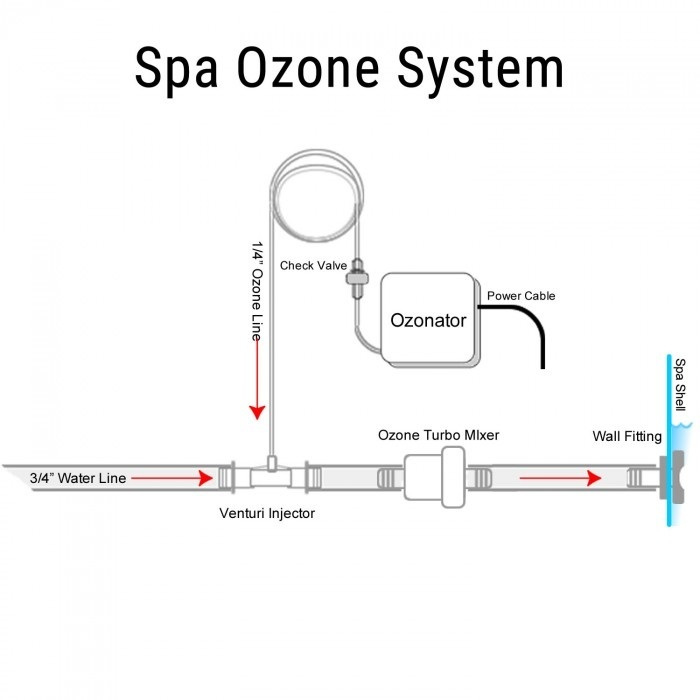
Ozone (O3) is a naturally occurring gas, three times more potent than chlorine as an oxidizer. In hot tubs, ozone generators—also called ozonators—produce this gas through methods like corona discharge or ultraviolet light. The corona discharge type, common in premium models, uses high-voltage electricity to split oxygen molecules (O2) into oxygen atoms that recombine into O3.
Once generated, ozone is injected into the water via the circulation system. It rapidly breaks down contaminants: bacteria, viruses, oils, and sweat are oxidized into harmless byproducts like carbon dioxide and water. Unlike chlorine, which leaves a residual sanitizer, ozone dissipates quickly after doing its job, ensuring no lingering harshness. For optimal performance, the hot tub must be above 26°C (79°F), as lower temperatures hinder ozone production—mirroring the advice in chemical guides for sanitizer efficacy.
Benefits of Integrating Ozone
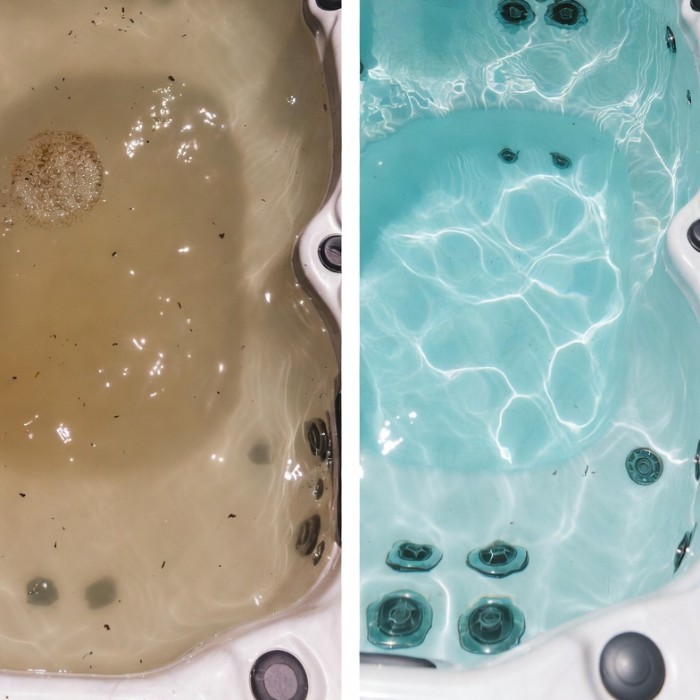
The advantages of ozone extend beyond basic sanitation. First, it reduces chemical needs: users often cut chlorine or bromine dosages in half, minimizing odors and eye irritation. A study from spa industry leaders notes that ozone-treated water stays clearer longer, with fewer instances of cloudy or foamy conditions.
Environmentally, ozone is a win—it's produced on-site from air, leaving no packaging waste, and it lowers overall chemical runoff. Health-wise, it targets a broader spectrum of pathogens, including those resistant to traditional sanitizers. For families or frequent users, this means safer, more consistent water quality. Plus, ozone enhances shock treatments; pairing it with non-chlorine oxidizers weekly clarifies water by breaking down chloramines (the culprits behind that 'chlorine smell').
However, ozone isn't a standalone solution—it's most effective when combined with low-level sanitizers and filtration, preventing biofilm in pipes that could otherwise consume chemicals.
The Role of Filtration Systems
Types of Hot Tub Filters
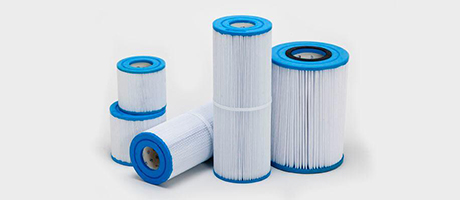
Filtration is the mechanical backbone of water clarity, trapping debris before it clouds your soak. Hot tub filters come in three main types: cartridge, sand, and diatomaceous earth (DE). Cartridge filters, the most common, use pleated polyester fabric to capture particles as small as 10-20 microns. They're user-friendly but require monthly cleaning or replacement.
Sand filters employ silica sand to filter down to 20-40 microns, ideal for larger systems, while DE filters offer the finest filtration (3-5 microns) using fossilized algae powder. Advanced models integrate microfiltration or paper filters for even finer results. In line with maintenance schedules, filters should be rinsed weekly and deep-cleaned monthly with filter cleaners to remove oils and minerals—preventing reduced flow and bacterial hotspots.
Maintenance Tips for Long-Lasting Filters
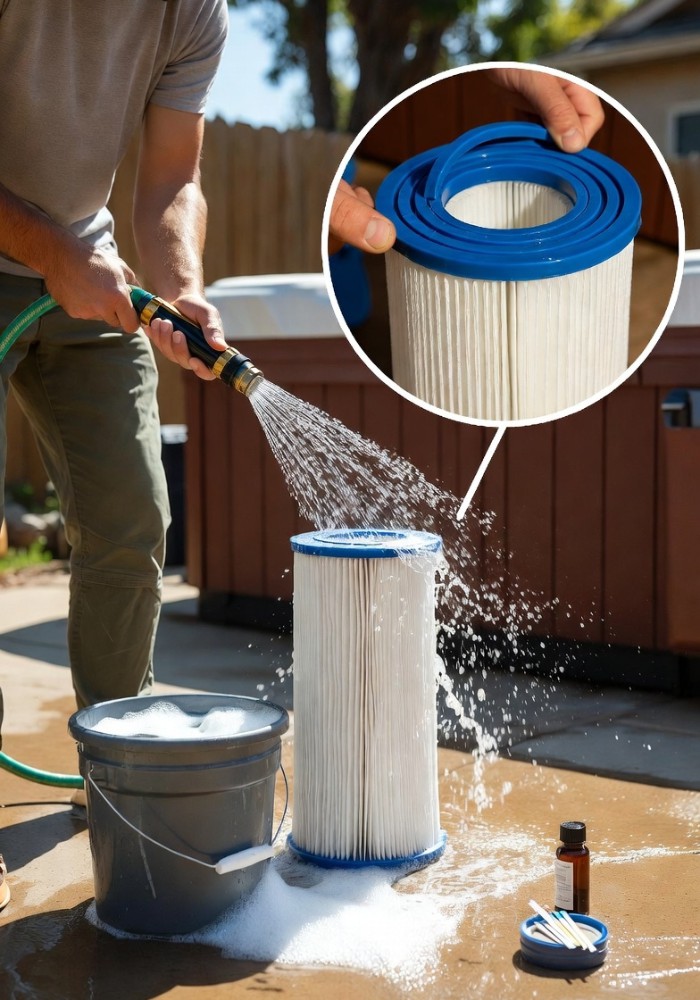
From comprehensive chemical guides, filter care is non-negotiable. Daily checks ensure jets operate at full capacity, while weekly rinses with a garden hose dislodge surface grime. For thorough cleaning, soak filters in warm water mixed with a dedicated cleaner for 24 hours, then air-dry completely before reinstalling. Neglect this, and efficiency drops, forcing your pump to work harder and shortening its life.
In hard water areas, scale buildup accelerates wear—add stain and scale control weekly to protect filters. Quarterly inspections reveal wear like tears or clogs, signaling replacement. Pro tip: Always have a spare filter on hand for seamless swaps during monthly deep cleans. Proper filtration not only keeps water fresh but amplifies ozone's effectiveness by removing physical barriers that could shield contaminants.
Synergizing Ozone and Filtration for Optimal Water Quality
How These Systems Complement Each Other
Ozone and filtration form a dynamic duo: where ozone sanitizes chemically, filtration handles the physical load. Ozone oxidizes dissolved organics that filters can't touch, while clean filters ensure ozone circulates evenly without clogging. Together, they create a self-sustaining cycle—contaminants are trapped, oxidized, and flushed out during drainage every 3-4 months.
This integration shines in daily routines: Test sanitizer (now lower due to ozone), pH (7.2-7.8), and alkalinity levels with strips dipped 12 inches deep. Adjust as needed, but ozone often stabilizes pH naturally by neutralizing acids. Weekly shocks with non-chlorine oxidizers boost oxidation, and monthly pipe flushes with spa flush remove biofilm loosened by ozone.
Real-World Efficiency Gains
Imagine soaking without the hassle: Ozone users report water lasting 4-6 months between changes, versus 2-3 with chemicals alone. Filtration upgrades, like high-flow cartridges, reduce runtime by 20%, saving energy. In one user testimonial from spa forums, combining a corona discharge ozonator with DE filtration eliminated weekly shocking, transforming maintenance from chore to quick check-in.
Balancing Chemicals in an Ozone-Filtration Setup
Even with advanced systems, some chemistry is key. Ozone handles 80-90% of sanitation, but a residual sanitizer (1-3 ppm chlorine or 2-5 ppm bromine) prevents rebound growth. Granules or tablets in a floater maintain levels—add post-use for hygiene, removing the device during soaks.
pH management remains critical: Low pH (<7.2) corrodes='' components='' and='' weakens='' high='' ph=''>7.8) causes scaling that clogs filters. Test horizontally to avoid color bleed, aiming for 7.2-7.4. In hard water, weekly scale control is vital, as per guides—contact pros if unsure about your area's water hardness.
Shocking adapts too: Chlorine users opt for chlorine shocks; bromine fans use non-chlorine weekly. Turn off jets during addition for even distribution, letting ozone amplify the breakdown of organics like body oils.
Step-by-Step Maintenance Routine
Daily and Weekly Tasks
Start simple: Daily, verify temperature (ideal 37-40°C/98-104°F), sanitizer, and pH. Wipe above-water lines to curb contaminants. Weekly, shock, rinse filters, and add scale control if needed. Ozone automates much of this—generators run silently during filtration cycles.
Monthly and Seasonal Deep Dives
Monthly: Flush pipes with hot tub flush (20-30 minutes circulation), empty, clean the shell with spa-safe cleaners (avoid household products to prevent foaming), and swap filters. Refill, balance chemicals, and test. Ozone systems need cell checks—replace annually for peak output.
Quarterly: Inspect covers for damage; ozone units may require professional servicing. Annually: Full engineer tune-up ensures no leaks or inefficiencies.
Drain wisely: Use a submersible pump for speed, adding flush beforehand to loosen debris. This routine, enhanced by ozone and filtration, keeps water fresh effortlessly.
Troubleshooting Common Issues
Cloudy water? Increase filtration cycles—ozone clears it faster. Foamy? Check for soap residues; rinse filters thoroughly. Low sanitizer despite ozone? Test for biofilm—flush pipes immediately. Skin irritation signals pH imbalance—adjust before adding more chemicals.
For odors, ozone excels at eliminating chloramines. If issues persist, consult guides: Never add water to chemicals, and always dilute granules in warm water first. These systems minimize problems, but vigilance pays off.
Conclusion: Elevate Your Hot Tub Experience
Ozone and filtration systems aren't just upgrades—they're essentials for safe, fresh hot tub water in today's wellness-focused world. By oxidizing threats and capturing debris, they reduce chemical loads, simplify routines, and enhance enjoyment. Integrate them with core practices like pH testing and filter cleaning, and you'll unlock a low-maintenance oasis.
Ready to transform your hot tub? Consult a professional for ozone installation and stock up on quality filters. Your next soak awaits—pure, invigorating, and worry-free. Dive in with confidence, knowing science has your back.

点击右上角
分享给朋友吧







 Long by picture save/share
0

English
- 中文
- English
Share to:  |
|
Copyright© GUANGZHOU SUNRANS SANITARY WARE CO.,LTD
粤ICP备17099389号-2
Contact us
Tel: +86-20-86181657 Email: sales@sunrans.com
Share to
Contact us Tel: +86-020-26231998 Email: sales@sunrans.com Post code: 511300
Copyright © GUANGZHOU SUNRANS SANITARY WARE CO.,LTD 粤ICP备17099389号
