请双击输入内容...


Tel: +86-20-86181657

Email: sales@sunrans.com
Share to:












- Media News -
Inside a Hot Tub: Key Components You Need to Know
Time: 2025-09-12 15:17:28
Author: SUNRANS
Click:
Hot tubs may appear simple on the surface—an inviting body of warm, bubbling water—but beneath that luxury experience lies a carefully engineered system of components. From the acrylic shell to the pumps and jets, each part of a hot tub plays a vital role in delivering durability, safety, and comfort. In this article, we’ll explore the key components inside a hot tub, how they work together, and why understanding them is essential for both buyers and spa owners.
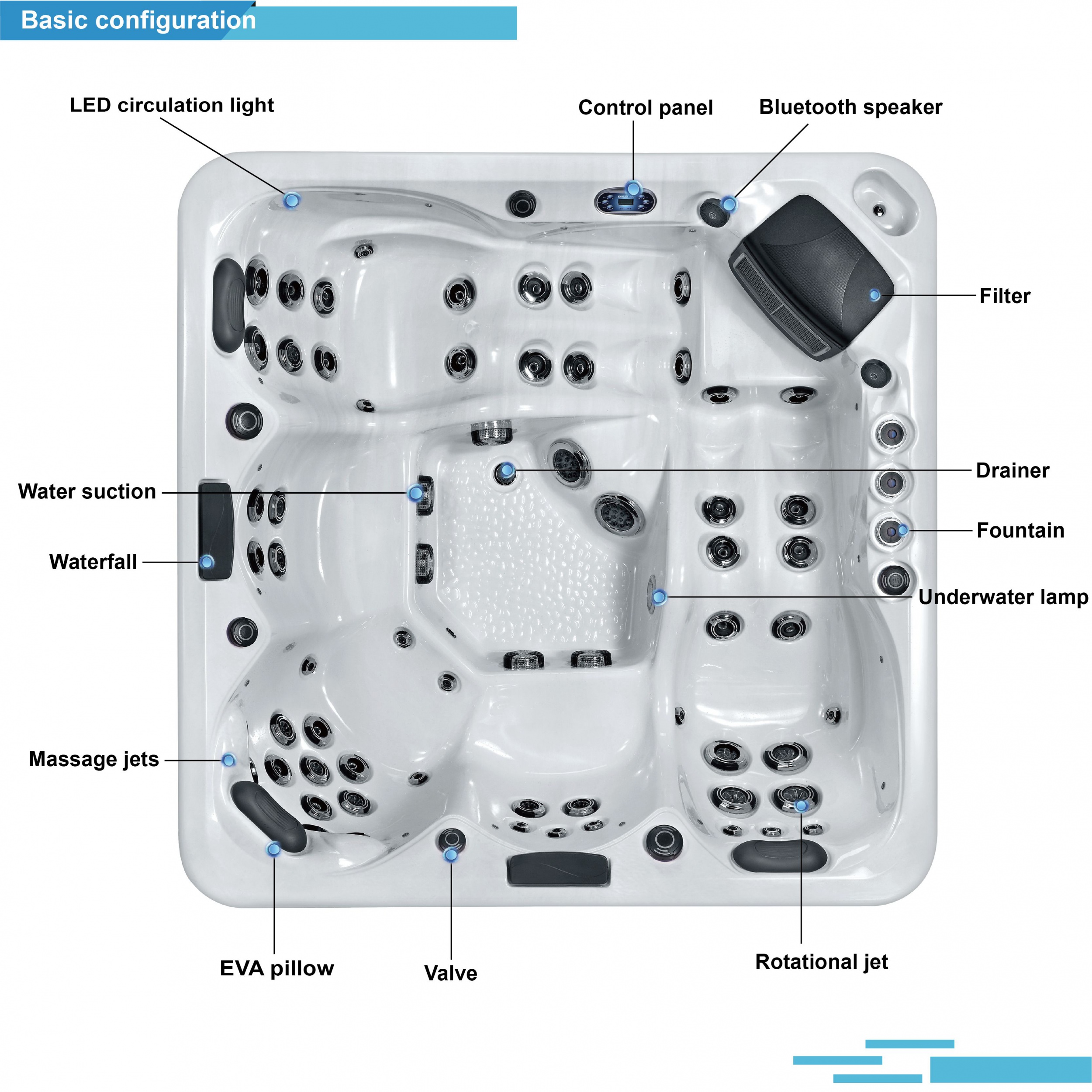
1. Introduction: The Engineering Behind Relaxation
Hot tubs are designed to provide a seamless balance of relaxation, hydrotherapy, and functionality. While many buyers focus on appearance and size, the real quality lies in the components hidden beneath the surface. Knowing what goes inside a hot tub can help buyers make informed decisions, ensuring they choose a spa that is both reliable and long-lasting.
2. The Spa Shell: The Visible Foundation
The spa shell is the most recognizable part of a hot tub, forming its shape, size, and seating arrangement.
2.1 Material Options
- Acrylic: The most popular option, offering durability, a glossy finish, and resistance to weather and chemicals.
- Vinyl: Less durable, often used in inflatable or portable models.
- Rotomolded Plastic: Cost-effective but lacks the same aesthetic and long-term performance.
2.2 Why It Matters
The shell determines the comfort of seating, energy efficiency, and longevity of the spa. A high-quality acrylic shell reinforced with fiberglass ensures maximum durability.
3. The Frame: Structural Backbone
The frame supports the spa shell and all internal components.
3.1 Frame Materials
- Wood: Traditional but prone to rot, termites, and warping.
- Plastic/Composite: Lightweight and resistant to rot but less strong.
- Stainless Steel: Industry gold standard, offering strength, corrosion resistance, and long-term durability.
3.2 Why It Matters
Without a strong frame, the spa shell may crack under the weight of water and users. A 304 stainless steel frame ensures reliability for years.
4. Plumbing and Jets: The Hydrotherapy Engine
4.1 Plumbing Network
The plumbing carries water from pumps to jets. High-quality plumbing uses flexible PVC pipes with secure fittings to prevent leaks.
4.2 Hydrotherapy Jets
Jets are what make hot tubs truly therapeutic.
- Air Jets: Push streams of air bubbles for gentle massage.
- Water Jets: Provide deeper, pressurized massage for muscles.
- Combination Jets: Offer adjustable settings for both comfort and therapy.
4.3 Why It Matters
Poorly designed plumbing and jets can result in uneven pressure, leaks, and weak hydrotherapy performance. High-end spas ensure precise jet placement for maximum comfort.
5. Pumps and Motors: Powering the Experience
5.1 Types of Pumps
- Circulation Pump: Keeps water moving through filters for consistent cleanliness.
- Jet Pump: Provides the power behind massage jets.
5.2 Motor Capacity
Pump motors are rated in horsepower (HP). More horsepower means stronger water flow, but efficiency and balance matter more than raw power.
5.3 Why It Matters
A reliable pump ensures strong hydrotherapy, quiet operation, and energy savings. Poor-quality pumps lead to frequent breakdowns.
6. Heater and Temperature Control: Comfort at Your Fingertips
The heater ensures that spa water stays warm and comfortable.
6.1 Heating Systems
- Electric Heaters: Standard in most hot tubs, effective and easy to control.
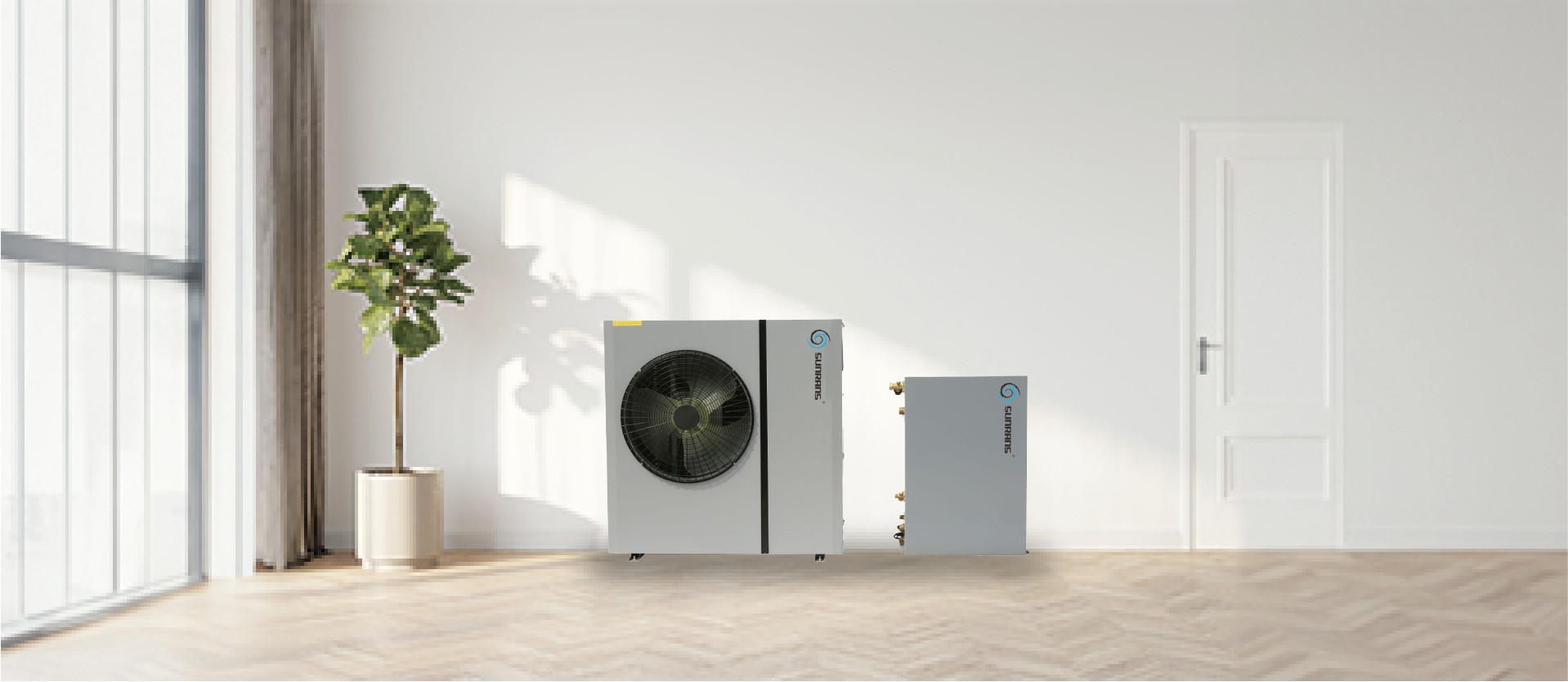
- Heat Pumps: Energy-efficient, drawing heat from the air.
- Gas Heaters: Less common, used for rapid heating in commercial models.
6.2 Control Panels
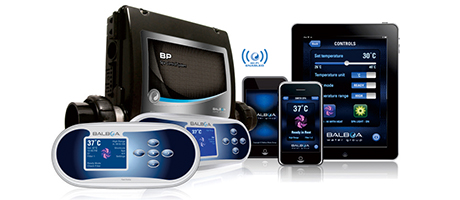
Modern spas use digital control panels, often from trusted brands like Balboa, allowing users to adjust temperature, lighting, and jets with ease.
7. Filtration and Sanitation: Clean and Safe Water
7.1 Filtration Systems
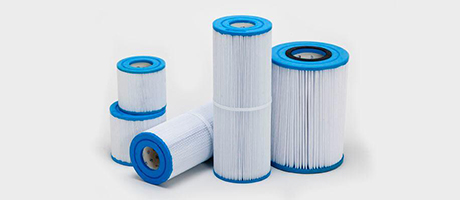
Hot tubs typically include cartridge filters that capture debris and particles.
7.2 Sanitation Systems
- Ozone Systems: Use ozone gas to neutralize bacteria.
- UV Systems: Kill microorganisms with ultraviolet light.
- Chemical Balancing: Chlorine or bromine is still commonly used.
7.3 Why It Matters
Clean water is critical to user health. Advanced filtration reduces maintenance and improves safety.
8. Lighting and Additional Features
Modern hot tubs often come with LED lighting, Bluetooth speakers, waterfalls, and aromatherapy systems, enhancing both functionality and ambiance. These components do not affect structure but greatly influence user satisfaction and lifestyle value.
9. Insulation: Energy Efficiency Factor
Insulation prevents heat loss, reducing energy costs. High-quality spas use multi-layer insulation to keep water warm even in colder climates.
10. Why Understanding Components Helps Buyers
10.1 For Homeowners
Knowing the parts ensures buyers choose a spa that fits their lifestyle and budget.
10.2 For B2B Buyers
Distributors and hotels can market “high-quality internal components” as a selling point, building trust with customers.
11. Conclusion: The Hidden Value of Components
While hot tubs are marketed as lifestyle products, their reliability depends on what lies inside. From the shell and frame to pumps, jets, and heaters, every component has a role in delivering comfort, safety, and durability.
For buyers, understanding these components ensures smarter investments. For manufacturers, showcasing these details builds credibility and trust in competitive markets.

点击右上角
分享给朋友吧







 Long by picture save/share
0

English
- 中文
- English
Share to:  |
|
Copyright© GUANGZHOU SUNRANS SANITARY WARE CO.,LTD
粤ICP备17099389号-2
Contact us
Tel: +86-20-86181657 Email: sales@sunrans.com
Share to
Contact us Tel: +86-020-26231998 Email: sales@sunrans.com Post code: 511300
Copyright © GUANGZHOU SUNRANS SANITARY WARE CO.,LTD 粤ICP备17099389号
