请双击输入内容...


Tel: +86-20-86181657

Email: sales@sunrans.com
Share to:













- Media News -
Essential Tips for Maintaining Your Spa Tub: Keep Your Hot Tub in Perfect Condition
Time: 2024-12-24 00:00:00
Author: SUNRANS
Click:
Owning a spa tub is a luxurious way to relax, unwind, and enjoy hydrotherapy ben
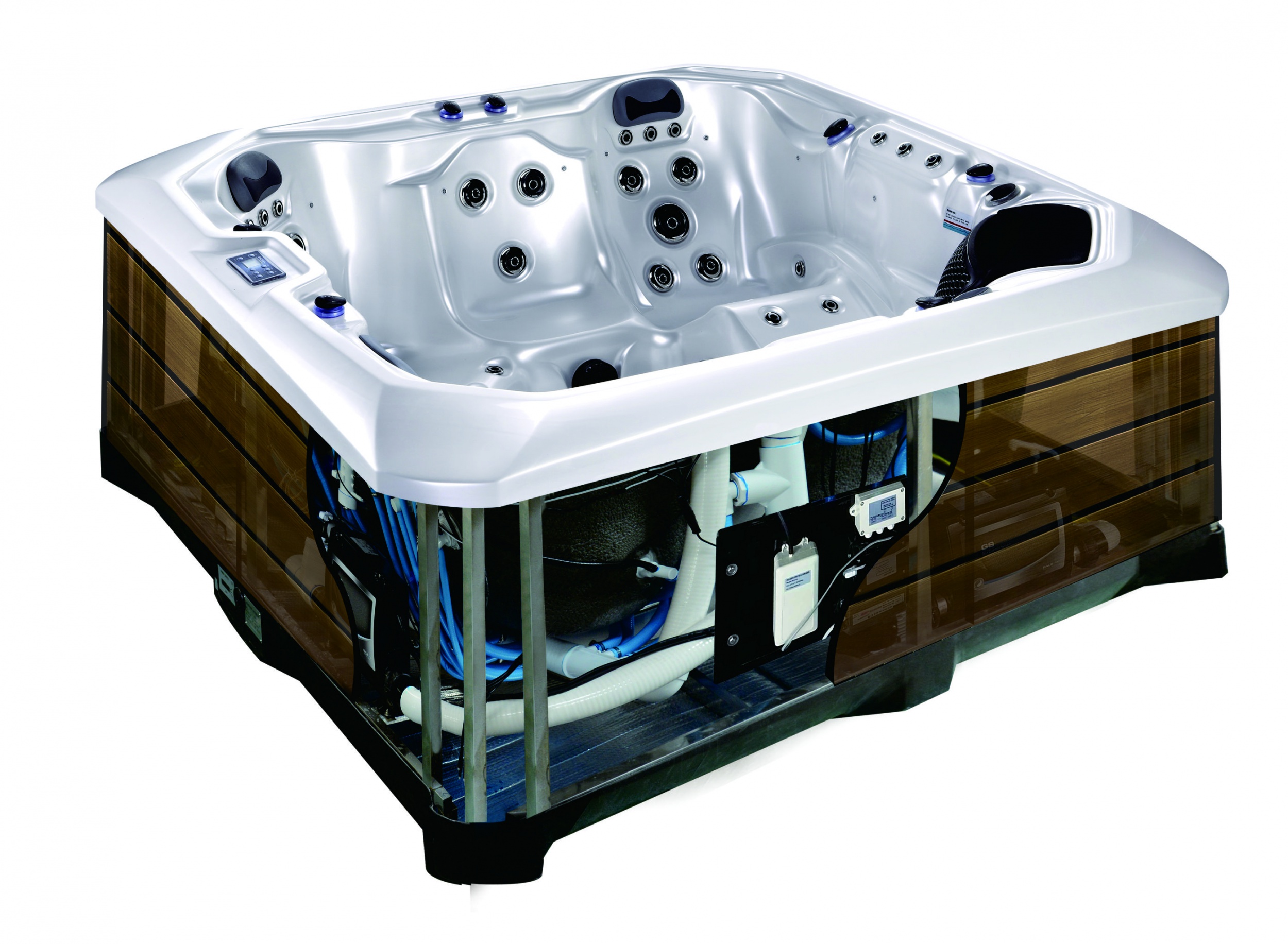
Owning a spa tub is a luxurious way to relax, unwind, and enjoy hydrotherapy benefits. However, to ensure that your spa tub continues to provide a high-quality experience, regular maintenance is key. Proper care not only prolongs the life of your spa but also ensures that the water remains clean, safe, and ready for use at all times. Here are some essential tips for maintaining your spa tub and keeping it in perfect condition:
1. Regularly Clean the Filters
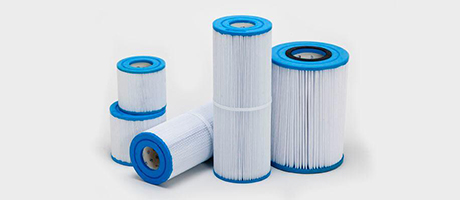
The filters in your spa tub play a crucial role in keeping the water clean by removing dirt, debris, and contaminants. To maintain optimal filtration, clean the filters every 2-4 weeks, depending on usage. You can rinse the filters with a garden hose or use a filter cleaner to remove oil and grime. Don’t forget to replace the filters every 12-18 months to keep your spa functioning efficiently.
2. Check and Balance the Water Chemistry
Maintaining the proper chemical balance in your spa water is essential for both your health and the longevity of your spa tub. Test the water regularly using a water test kit to check for pH, alkalinity, and sanitizer levels. Aim for a pH level of 7.2 to 7.8 and alkalinity between 80 and 120 ppm. Keeping the water properly balanced helps prevent scale buildup, cloudy water, and damage to your spa’s components.
3. Keep the Spa Tub Clean
It’s important to keep both the interior and exterior of your spa tub clean. Use a soft cloth and a spa-safe cleaner to wipe down the tub’s surface and remove any residue, oil, or dirt. Pay attention to areas like the waterline, where oils and lotions can accumulate. Clean the area around your spa regularly to prevent leaves, dirt, and other debris from entering the water.
4. Maintain the Water Level
Check the water level of your spa tub regularly, especially after use. If the water level is too low, the pump and heater may not work properly, potentially leading to damage. Keep the water level consistent with the manufacturer’s recommendations, usually at least 1-2 inches above the skimmer or filter.
5. Shock the Water Periodically
Shocking your spa tub means adding a high dose of sanitizer to the water to eliminate organic contaminants such as bacteria, oils, and other impurities. This should be done about once a week or after heavy use. Use a spa-specific shock treatment to avoid damaging the water chemistry and components.
6. Cover Your Spa When Not in Use
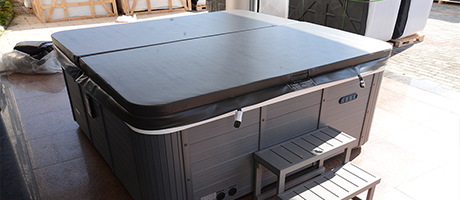
Using a high-quality spa cover is one of the simplest ways to protect your tub and maintain water quality. A well-fitting cover will keep debris out of the water and help maintain the water temperature, reducing energy consumption. It also prevents dust, leaves, and insects from contaminating the water when the spa is not in use.
7. Inspect the Spa Tub’s Components
Regularly check the mechanical and electrical components of your spa tub, including the pumps, heater, and jets. Look for any signs of wear, leaks, or damage. If you notice anything unusual, such as low pressure or strange noises, address the issue as soon as possible. Prompt attention to small issues can prevent larger, more costly repairs.
8. Winterizing Your Spa
If you live in a colder climate and plan to stop using your spa during the winter months, make sure to properly winterize your tub. This involves draining the water, cleaning the spa, and ensuring that all components are dried to prevent freezing. Be sure to follow the manufacturer’s guidelines for winterizing to avoid damaging the tub’s plumbing and other parts.
9. Schedule Regular Professional Maintenance
While regular at-home maintenance is essential, it’s also a good idea to have your spa tub professionally serviced every 1-2 years. A professional technician can perform a detailed inspection, clean internal components, and address any potential issues that may not be immediately noticeable.
By following these essential maintenance tips, you can ensure that your spa tub continues to deliver the best possible experience, season after season. Regular cleaning, water testing, and preventative care will not only extend the life of your spa tub but also help you maintain a safe and enjoyable soaking environment. With a little attention and care, your spa will remain the perfect spot for relaxation and hydrotherapy.

点击右上角
分享给朋友吧







 Long by picture save/share
0

English
- 中文
- English
Share to:  |
|
Copyright© GUANGZHOU SUNRANS SANITARY WARE CO.,LTD
粤ICP备17099389号-2
Contact us
Tel: +86-20-86181657 Email: sales@sunrans.com
Share to
Contact us Tel: +86-020-26231998 Email: sales@sunrans.com Post code: 511300
Copyright © GUANGZHOU SUNRANS SANITARY WARE CO.,LTD 粤ICP备17099389号
